Living in Malta is truly more than just relocating to a sunny Mediterranean island. Over and above that, it’s also about embracing a lifestyle where history, culture, along with modernity intersect. For expats, Malta not only provides picturesque coastal views and charming towns, but also this place provides advantages like a favourable tax system, high-quality healthcare, and a strong international community.
So, understanding the nuances of daily life, from housing costs and grocery prices to schooling options and local transport is essential before even moving there. Here, the economy and work opportunities are growing, and expats can balance their professional ambitions along with a relaxed island lifestyle.
This guide will provide you with a clear, in-depth view of what life is truly like in Malta, and help you to make informed decisions if you’re also a future resident.
Cost of Living in Malta
Living in Malta really offers a comfortable Mediterranean lifestyle, but expenses actually vary based on location and some personal choices. Here’s a detailed look at typical costs for expats:
- Housing:
- Valletta, Sliema, St. Julian’s (city centers): €1,200–€1,800/month for a one-bedroom apartment
- Suburban towns or smaller areas: €800–€1,200/month
- Larger apartments (2–3 bedrooms) in city centers: €1,800–€2,800/month
- Utilities:
- Electricity, heating, cooling, water, and garbage: €120–€200/month
- Internet (100 Mbps): €30–€40/month
- Groceries & Essentials:
- Milk (1 liter): €1.40
- Bread (500g): €1.50–€2
- Eggs (12): €3–€4
- Chicken breast (1kg): €9–€12
- Monthly grocery bill for 1 person: €200–€300
- Dining Out:
- Budget café/fast food meal: €10–€12
- Mid-range restaurant (three-course meal for 2): €50–€70
- Coffee: €1.50–€3
- Transportation:
- Public bus monthly pass: €35
- Taxi start fare: €3.50–€4, plus €1.50/km
- Owning a car: fuel ~€1.60/liter, insurance €300–€500/year
Malta is moderately priced compared to Western Europe. With careful budgeting, expats can truly enjoy a high-quality lifestyle without even excessive spending.
Weather and Climate
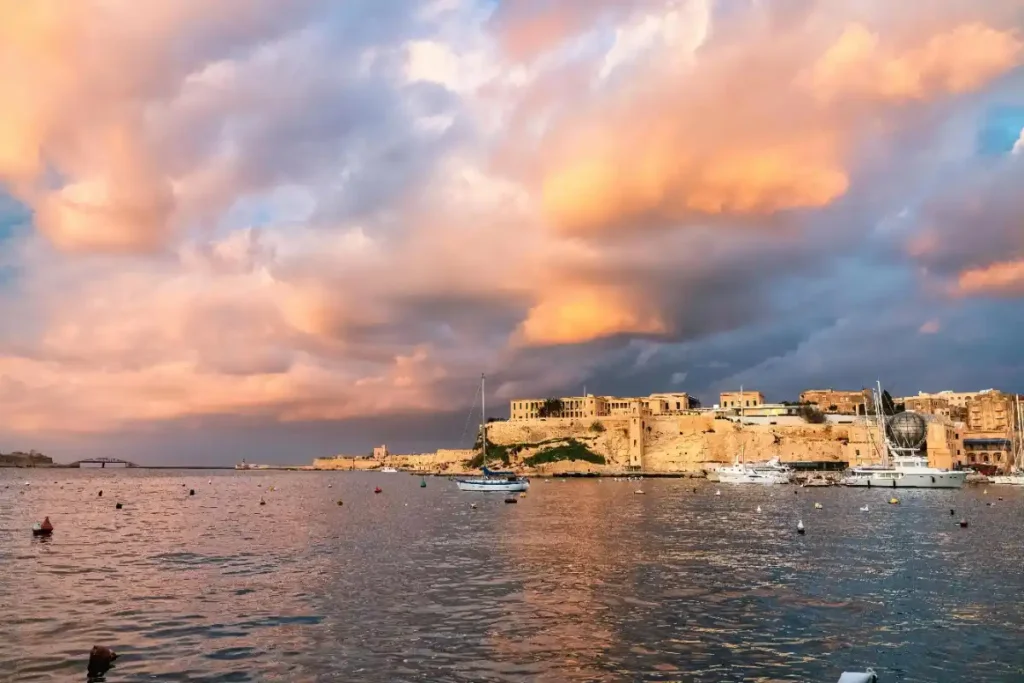
Actually, Malta has a Mediterranean climate, and it’s characterized by long, hot summers and mild, rainy winters, and this makes it highly appealing to expats who are looking for sunny and moderate weather.
- Summer (June to September):
- Average high: 30–32°C, low: 22–24°C
- Rainfall: 0–5 mm/month
- Sunshine: 11–12 hours/day
- Perfect for beach activities, sailing, and outdoor tourism
- Winter (December to February):
- Average high: 15–17°C, low: 9–11°C
- Rainfall: 80–100 mm/month, mostly short showers
- Rare frost; snow is almost nonexistent
- Spring & Autumn:
- Average temperatures: 18–25°C
- Rainfall: 20–50 mm/month
- Ideal for sightseeing, hiking, and cultural events
- Annual Sunshine:
- Around 2,950–3,000 hours/year
- One of the sunniest climates in Europe
- Sea Temperature:
- Summer: 25–27°C
- Winter: 15–17°C
- Makes swimming possible almost year-round
Malta’s weather contributes to a relaxed outdoor lifestyle and supports several activities like sailing, diving, along with cultural exploration, which expats value highly.
Healthcare in Malta
One of the key benefits of living in Malta is you can get access to a reliable healthcare system that combines public and private services.
The public healthcare system actually covers GP visits, specialist consultations, hospital care, along with emergencies at minimal costs, though wait times can be longer.
For quicker access, private hospitals and clinics provide modern facilities, with consultation fees around €50–€80. Furthermore, pharmacies are widely available, mostly with extended hours.
Several expats choose private health insurance (€40–€100/month) for convenience alongside public services. Overall, Malta gives a well-balanced healthcare system that’s really suitable for families, retirees, and working professionals.
Also Read: How to Get Malta Citizenship after Permanent Residence?
Children’s Education & Family Life
For expats living in Malta, family life is really a key factor when deciding to relocate. The country actually provides a well-rounded education system, along with a family-friendly environment.
- Public Schools: Tuition-free and follow the Maltese national curriculum. Here, classes are primarily English and Maltese, which actually gives children bilingual skills from an early age. Children benefit from structured programs and access to extracurricular activities such as sports, music, as well as art.
- Private & International Schools: Cater to expat families who are looking for foreign curricula. Options include British, American, Italian, as well as French systems, with annual fees that generally range from €3,000 to €12,000, based on grade level and school prestige. And, these schools mostly have smaller class sizes along with a strong emphasis on extracurricular development.
- Higher Education: Malta is home to the University of Malta and offers a wide variety of undergraduate and postgraduate programs in English. Here, international students and expats can easily integrate into academic life here.
Cultural celebrations, regional customs, and neighborhood gatherings help expat families quickly integrate by creating a sense of community. Malta is an appealing location to raise children because of its social activities, healthcare, and accessibility, all of which improve family well-being.
Tax Benefits and Financial Advantages
- Personal Income Tax: Malta has progressive tax rates, but foreigners are also eligible for some exemptions and deductions. Reductions in tax rates and incentives are available to people moving under specific schemes, such as the Highly Qualified Persons (HQP) scheme.
- Benefits of Corporate Taxation: Businesses that are registered in Malta are eligible for advantageous corporate tax laws, such as an entire imputation system that prevents dividend double taxation. Malta’s tax treaties with more than 70 nations are often utilized by foreign companies.
- Benefits of Retirement and Pensions: Under certain circumstances, foreign pension recipients may be exempt from paying taxes, which makes Malta a desirable location for retirees looking for ways to decrease their tax obligations.
- Property and Investment Incentives: A number of programs, like tax credits for home improvement or green energy investments, help foreigners who own or invest in Maltese real estate to be financially efficient.
Work & Business Opportunities
You’ll be pleased to hear that Malta offers a surprisingly wide range of business and employment options if you’re considering relocating here. The island is a center for sectors like gaming, finance, IT, tourism, and shipping, so it’s not just about sun and sea.
- Jobs for Professionals: There are many opportunities for skilled workers, particularly in the fields of technology, finance, and gaming. Employers frequently offer competitive pay, opportunities for professional advancement, and even relocation assistance to foreign nationals.
- Launching Your Own Company: Malta welcomes business owners. Starting a business is easy, and there are startup support programs, tax breaks, and grants available, especially in the fintech, renewable energy, and digital services sectors.
- Remote Workers and Freelancers: Malta boasts a wealth of co-working spaces and first-rate internet infrastructure for those who work remotely. It’s a fantastic location for networking with other professionals and living the Mediterranean way of life.
- Networking: The island is home to a number of conferences and business gatherings that facilitate the meeting of like-minded individuals and the advancement of your company or career.
Best Places to Live in Malta
When it comes to living in Malta, choosing the right location can make a big difference in your lifestyle. Each area has its unique vibe, amenities, and appeal for expats.
- Sliema: Sliema is a vibrant coastal town with great dining options, retail establishments, and promenades. Popular among young professionals and families who enjoy an active lifestyle. Great for easy access to public transport and ferries.
- St. Julian’s: Well-known for its entertainment options, nightlife, and opulent apartments. Perfect for foreigners seeking contemporary conveniences and a lively social scene.
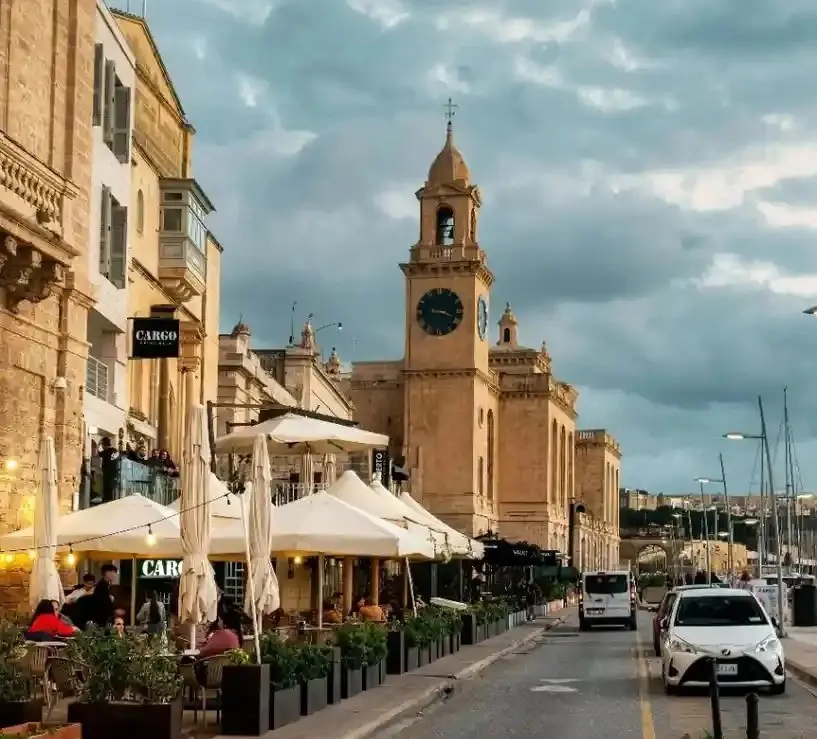
- Valletta: The capital of history, ideal for those who enjoy culture. museums, breathtaking architecture, and a feeling of being surrounded by history. ideal for employment in cultural institutions and government offices.
- Mellieha: A more laid-back town with stunning beaches, perfect for families looking for a more laid-back way of life. Ideal if you enjoy outdoor activities and the natural world.
- Gozo: The sister island of Malta, Gozo, provides a tranquil, rustic way of life. Here, foreigners appreciate the slower tempo, stunning scenery, and close-knit community.
Pros and Cons of Living in Malta
Living in Malta has its advantages and disadvantages, just like any other nation. Making an informed choice is aided by expats being aware of both sides.
Pros
- Mediterranean climate: year-round sunshine, mild winters, and warm summers.
- Cultural Richness: Festivals, historical landmarks, and lively customs add interest to daily life.
- English-Friendly Environment: Since English is an official language, expats find it easier to communicate and conduct business.
- Community for Expats: With clubs, events, and networks, Malta boasts a friendly expat community.
- Safety: Families and lone travelers will find it ideal due to its low crime rates.
Cons
- High Cost of Living: When compared to local wages, rent, imported goods, and certain services can be costly.
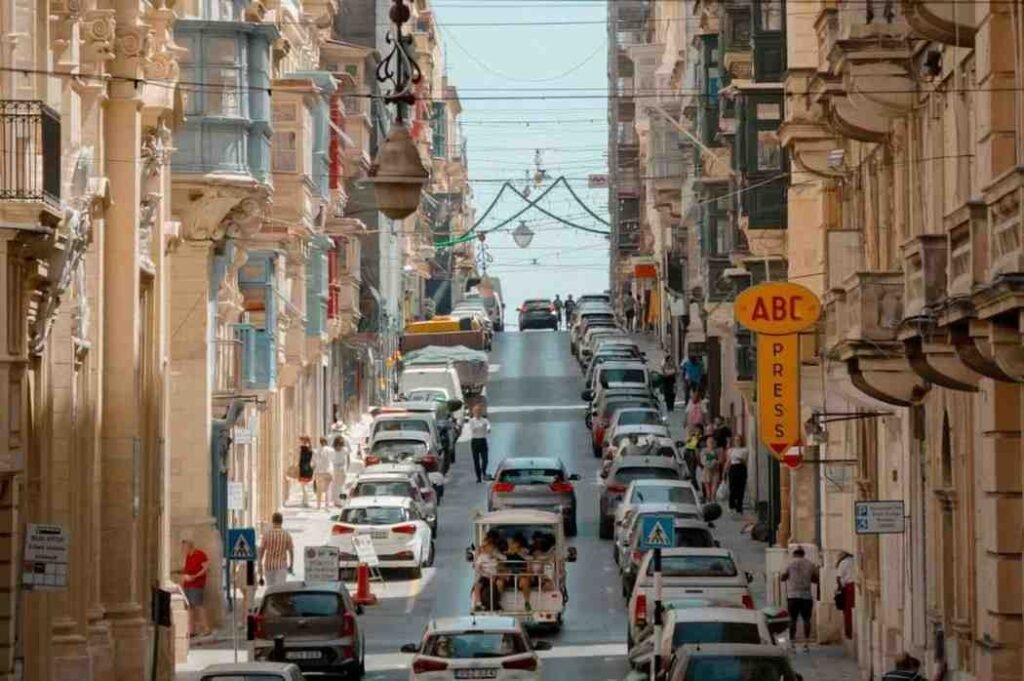
- Traffic & Parking: In cities like Valletta or Sliema, there are constrained parking spaces and narrow streets.
- Limited Public Transportation: Although buses are frequently used, commuters may not always find the schedules convenient.
- Limitations of Small Islands: Compared to larger nations, there are fewer opportunities for large-scale shopping or rural adventures.
- Summer Crowds: Popular locations may become crowded and noisy during the tourist season.
Frequently Asked Questions
1. What is life in Malta like for foreigners?
Life in Malta for foreigners is generally easygoing because of the English-speaking environment, warm climate, friendly locals and the island’s relaxed Mediterranean pace. Most expats say settling in feels straightforward compared to other EU countries.
2. How expensive is living in Malta as an expat?
Living in Malta as an expat usually costs between €1,500 and €2,500 per month depending on rent, lifestyle and location. Housing in central areas is the biggest expense, while food, utilities and local transport stay moderate.
3. Is Malta a good place for long-term expats?
Yes, Malta works well long term if you want safety, stability, EU-quality services and a coastal lifestyle. The only real downside is limited space and crowded peak seasons, so choosing the right neighborhood matters.
4. Can foreigners find jobs easily in Malta?
Foreigners can find jobs in Malta if they target sectors like iGaming, finance, hospitality, tourism and tech. Non-EU nationals need a valid work permit, and having a job offer before arrival gives a major advantage.
5. Is Malta safe for expats and foreigners?
Malta is considered very safe for expats with low violent crime rates. Petty theft can happen in busy tourist areas, but overall the island is safer than many European destinations.
Conclusion
Malta offers a special combination of cultural diversity, Mediterranean charm, and an expat-friendly atmosphere that you can avail through Malta Citizenship Program. The island offers excellent healthcare and education, as well as pleasant weather and robust community networks, to those looking for a well-rounded lifestyle.
Higher living expenses and island restrictions should be taken into account, though. Expats can take full advantage of Malta’s advantages with careful preparation and study. Nxtcitizens offers trustworthy insights and assistance for newcomers seeking professional advice on moving and settling in without incident.